Timeline Explorer
Three thousand years of Nigerian history, event by event. Use the filters to explore one era at a time — or scroll through the whole story, from the terracotta artists of the Jos Plateau to the present day. Click any era below to filter the timeline.
The Nok culture
On the Jos Plateau, artists model lifelike terracotta heads and figures and smelt iron — among the earliest such work in sub-Saharan Africa. The Nok tradition lasts for over a thousand years.
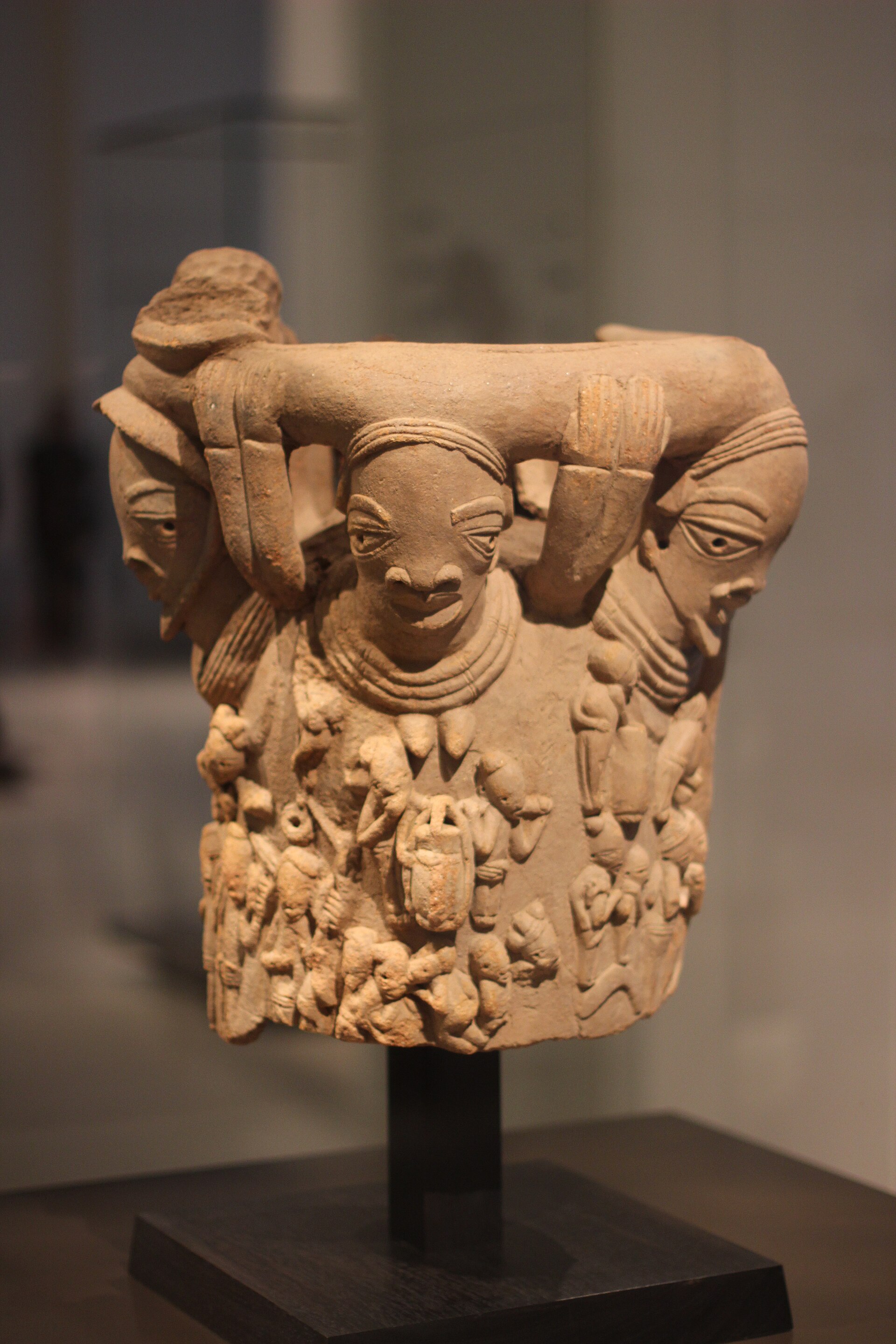
Nok terracotta sculpture, Musée du Louvre. Photograph: Wikimedia Commons.
Ife, spiritual home of the Yoruba
Ile-Ife becomes the spiritual and artistic centre of the Yoruba world. Its naturalistic brass and bronze heads, cast by the lost-wax method, are among the finest sculptures ever made in Africa.
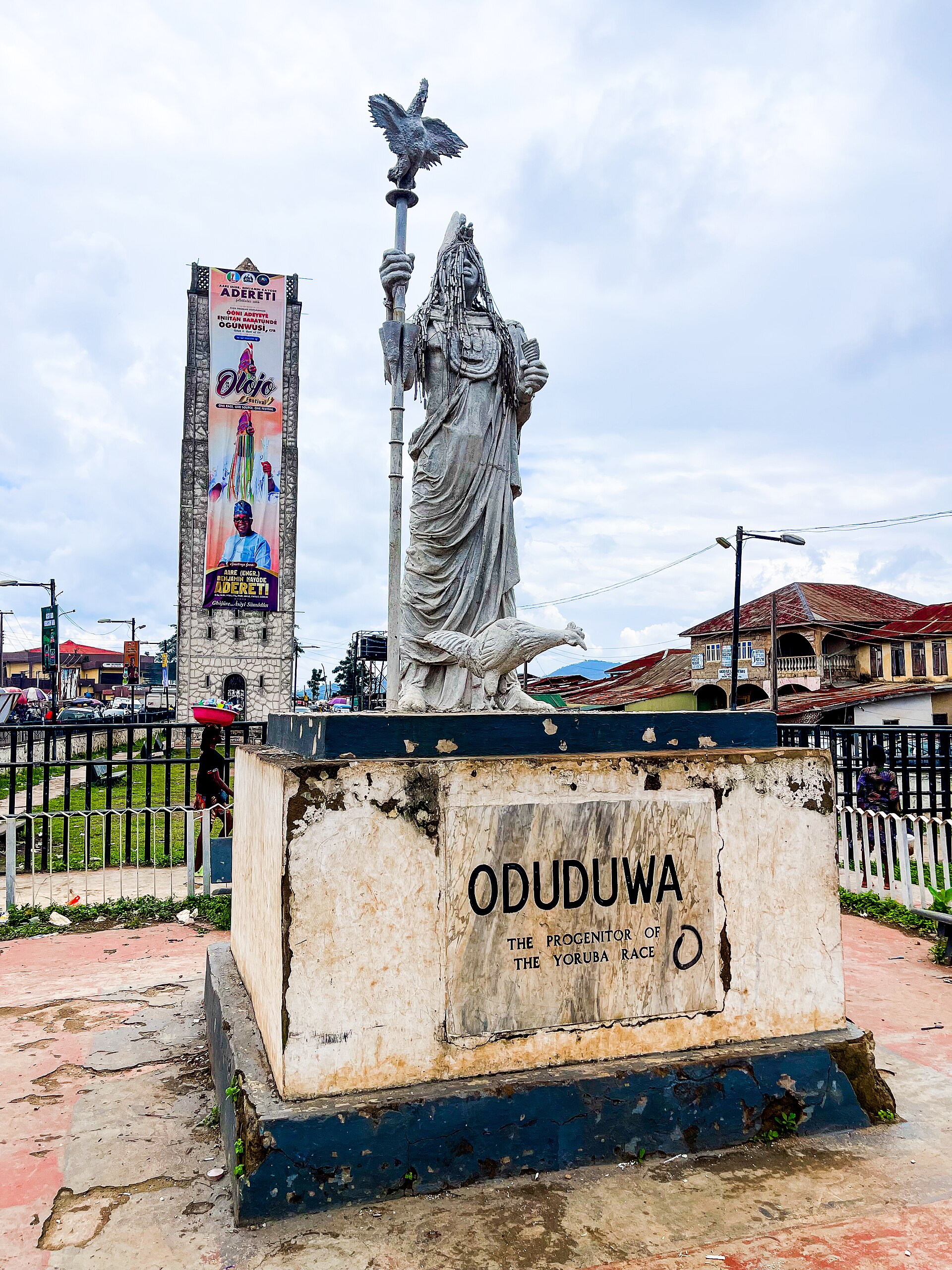
Statue of Oduduwa, progenitor of the Yoruba, at Ile-Ife. Photograph: Wikimedia Commons.
The Benin Kingdom rises
Under the Oba, Benin City grows into a great walled city, famed for its brass plaques and carved ivory. The kingdom trades with Europe from the 15th century and endures until 1897.
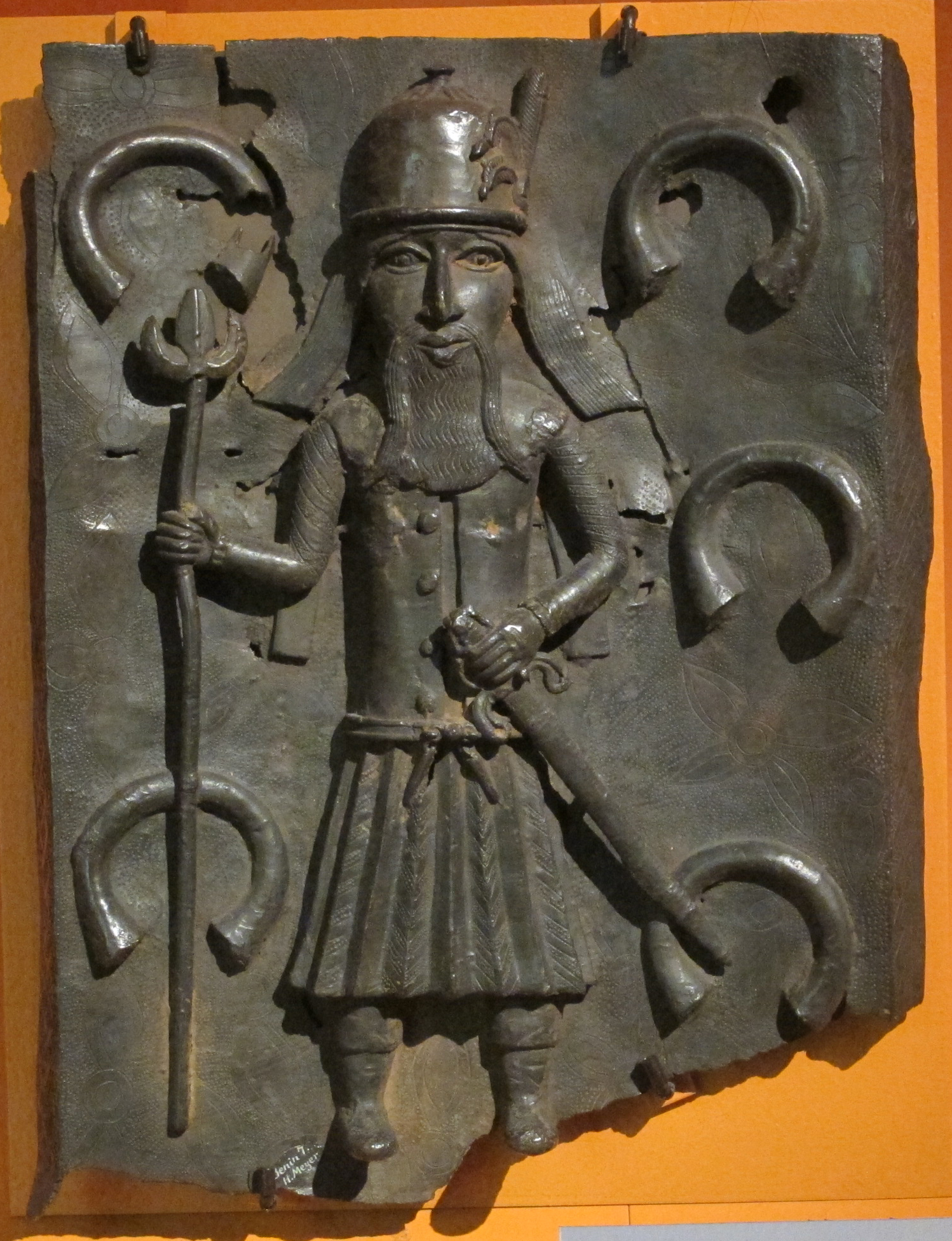
Benin bronze plaque depicting a Portuguese soldier, 16th–17th century. Photograph: Wikimedia Commons.
The Oyo Empire
The Oyo Empire, ruled by the Alaafin, dominates the Yoruba south-west with its cavalry and its trade in kola nuts, cloth and captives. Its successor states carry Yoruba culture across West Africa and the Atlantic world.
The Sokoto Caliphate is founded
The scholar Usman dan Fodio leads a jihad that unites much of the north under Islamic rule. The Caliphate becomes a centre of learning, trade and administration, and its emirates shape northern Nigeria to this day.
Britain annexes Lagos
After bombarding the city, Britain annexes Lagos as a colony. It is the first step in the colonisation of the territory that will become Nigeria.
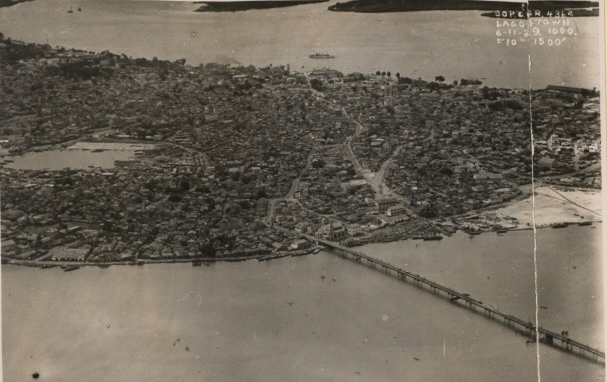
Lagos in 1929. Photograph: Wikimedia Commons.
Amalgamation
Governor-General Lord Lugard merges the Northern and Southern Protectorates into a single Colony and Protectorate of Nigeria — a union of peoples that had never before been one country.
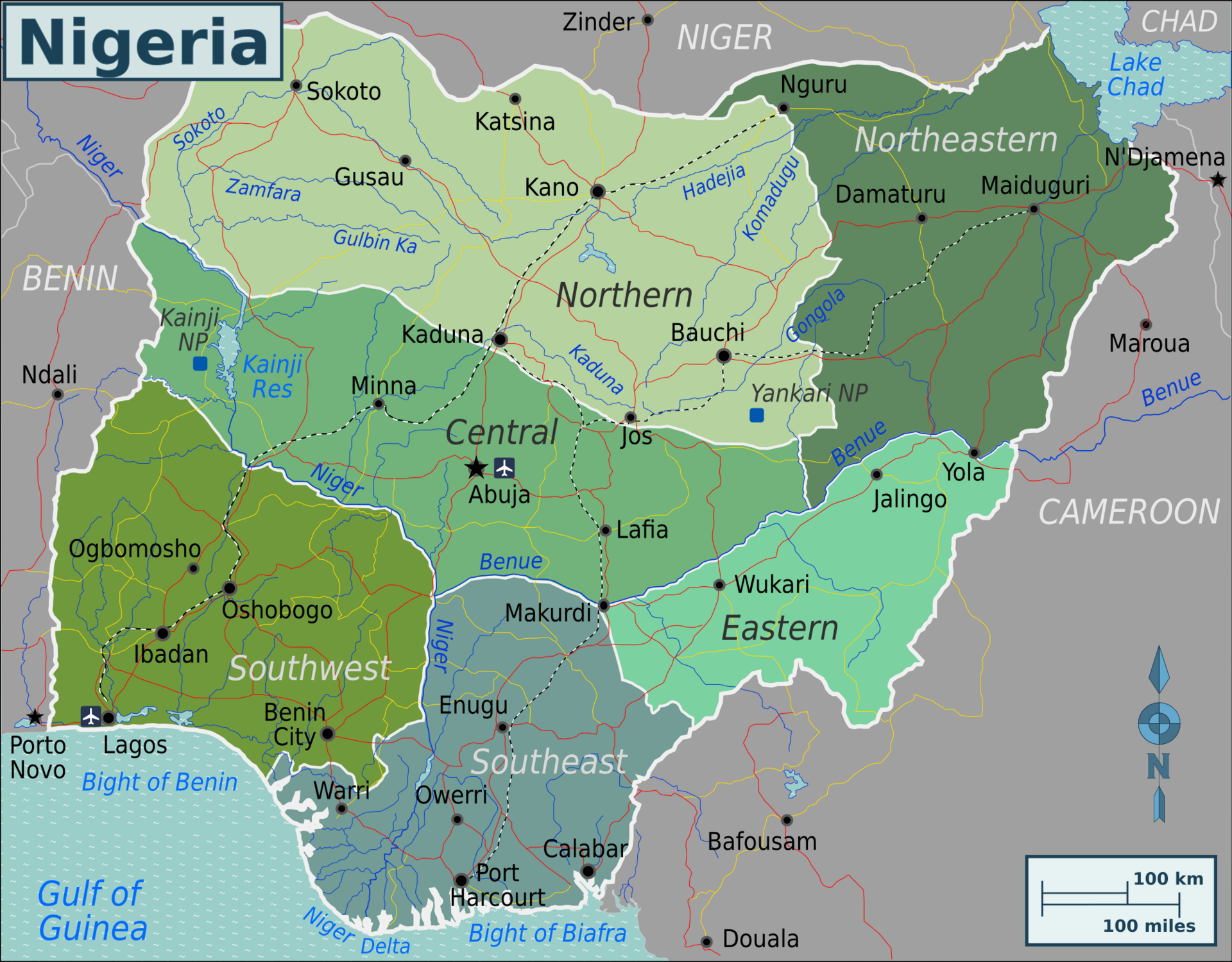
Map of Nigeria’s regions. Image: Wikimedia Commons.
The Aba Women’s War
Thousands of Igbo and Ibibio women rise against colonial taxation and the warrant chiefs, in one of the most significant acts of resistance to British rule in West Africa.
Independence
Nigeria becomes a sovereign nation. Sir Abubakar Tafawa Balewa is prime minister; Nnamdi Azikiwe is Governor-General. The green-white-green flag is raised at the Racecourse in Lagos.
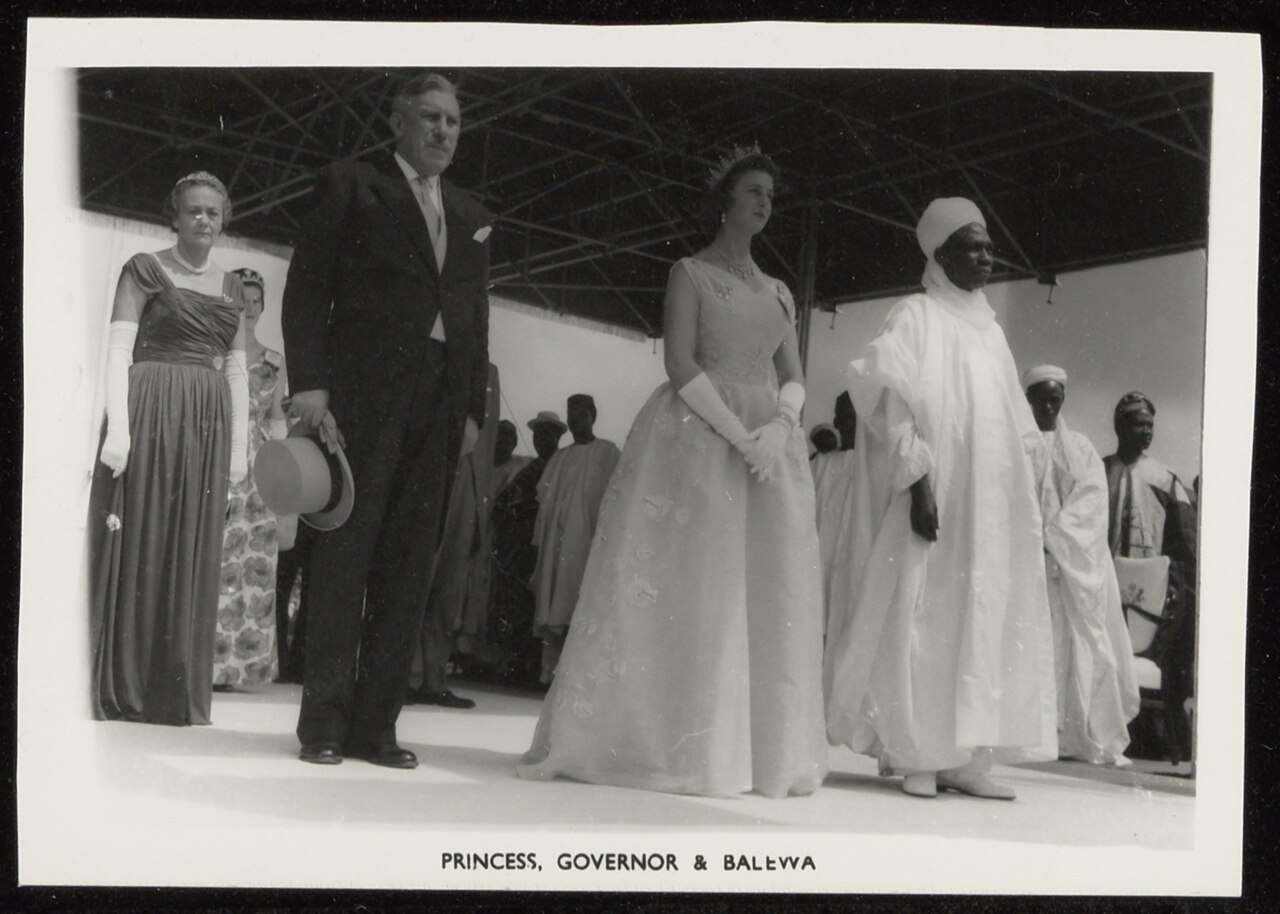
Independence ceremony at the Racecourse, Lagos, 1 October 1960. Photograph: African Studies Centre Leiden (NSAG Collection), via Wikimedia Commons.
Nigeria becomes a republic
Nigeria cuts its last formal tie to the British Crown and becomes a republic, with Nnamdi Azikiwe as its first president.
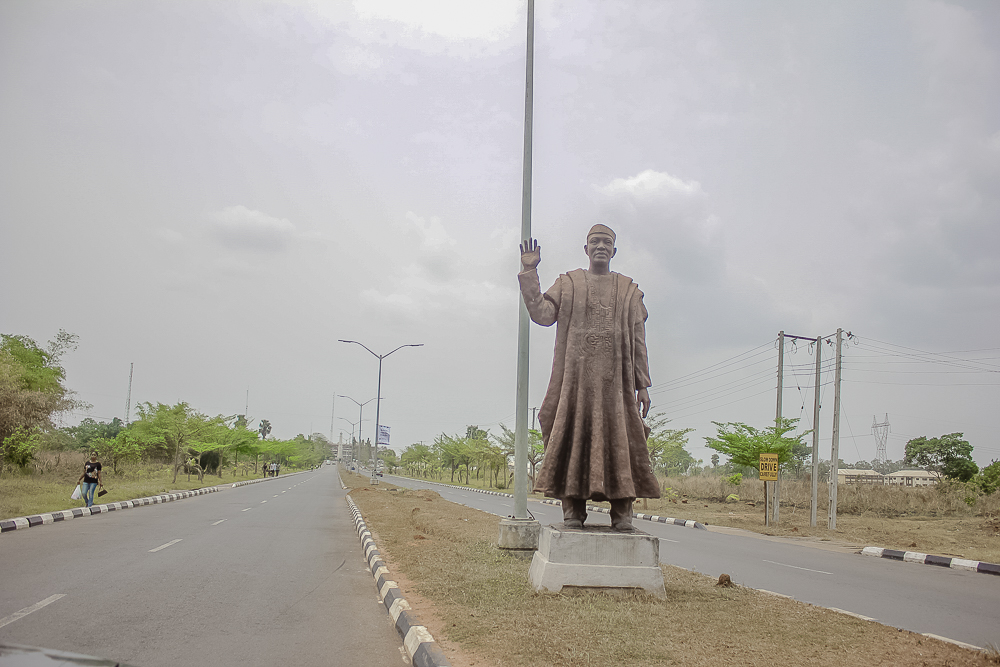
Statue of Dr Nnamdi Azikiwe, Nnamdi Azikiwe University, Awka. Photograph: Wikimedia Commons.
Coups and counter-coup
In January, young majors overthrow the First Republic; in July, a counter-coup brings General Yakubu Gowon to power. The year’s violence sets the country on the road to civil war.
The Nigerian Civil War
The Eastern Region secedes as Biafra under Lt. Col. Odumegwu Ojukwu. Thirty months of war, blockade and famine end in January 1970, when Biafra surrenders and Gowon proclaims “no victor, no vanquished”.
Map of Nigeria’s regions. Image: Wikimedia Commons.
Return to civilian rule
General Olusegun Obasanjo hands power to the elected government of Shehu Shagari, opening the Second Republic — the first time a Nigerian military ruler has voluntarily handed over power.
An election annulled
The presidential election, widely judged the freest and fairest in Nigerian history, is annulled by the military government of General Ibrahim Babangida. Its presumed winner, Chief MKO Abiola, is later detained.
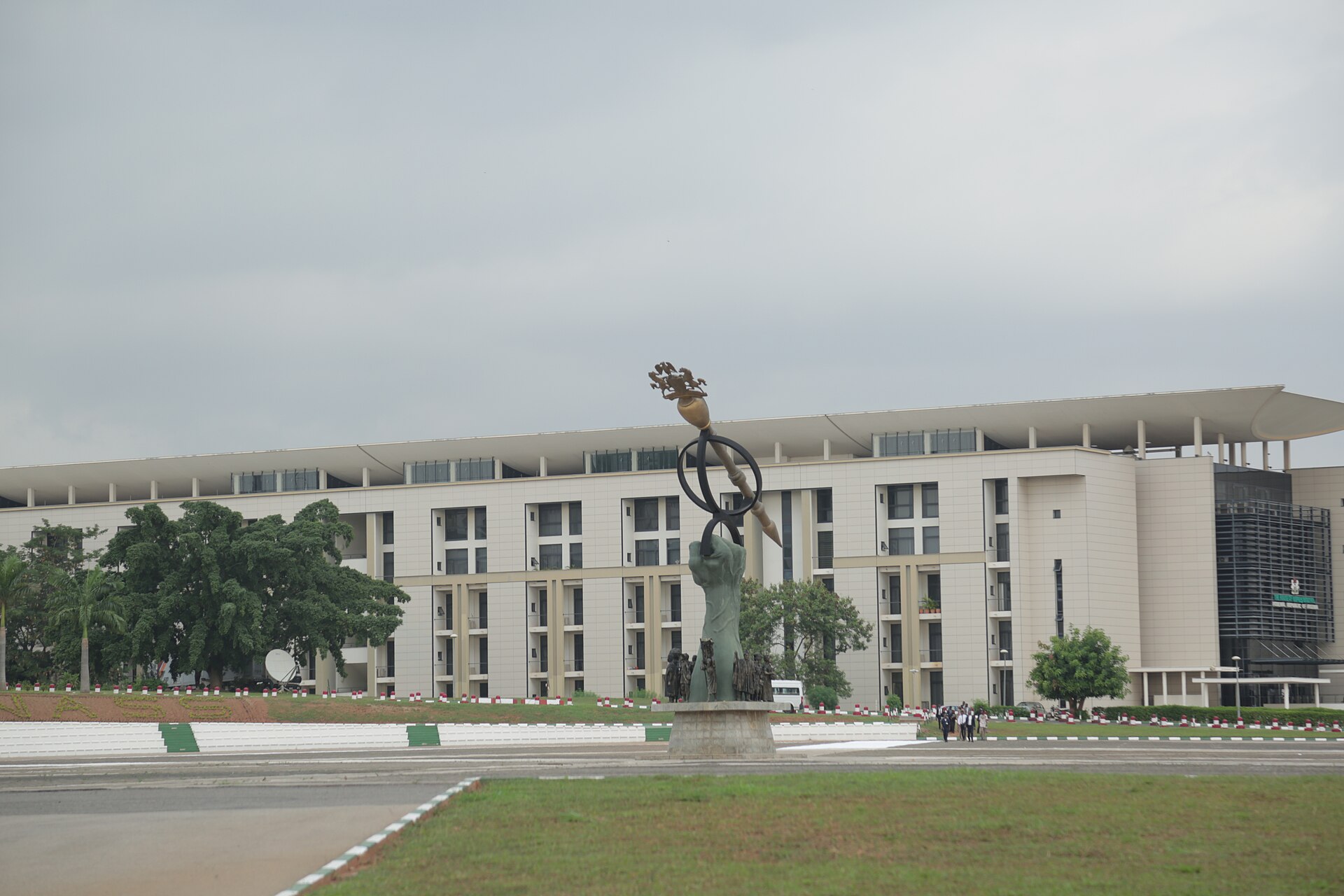
The National Assembly Complex, Abuja. Photograph: Wikimedia Commons.
Super Eagles conquer Africa
Nigeria wins the African Cup of Nations in Tunisia and makes its World Cup debut in the United States, reaching the second round.
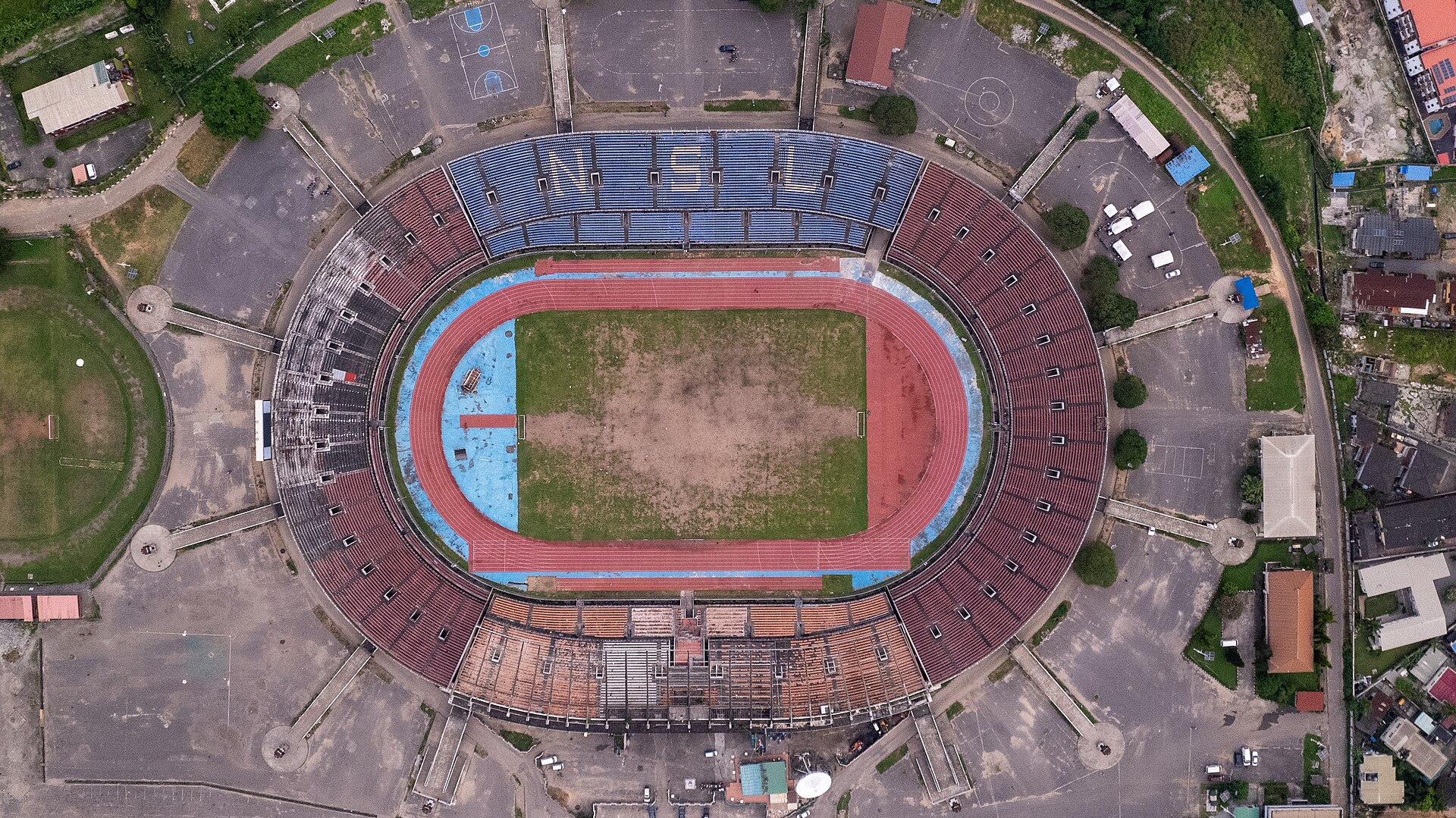
National Stadium, Surulere, Lagos. Photograph: Wikimedia Commons.
Olympic gold in Atlanta
The Super Eagles beat Brazil 4–3 in the semi-final and Argentina 3–2 in the final to win Olympic football gold — the first African team ever to do so.
National Stadium, Surulere, Lagos. Photograph: Wikimedia Commons.
Democracy returns
General Abdulsalami Abubakar hands power to the elected President Olusegun Obasanjo, ending sixteen years of military rule and opening the Fourth Republic.
The National Assembly Complex, Abuja. Photograph: Wikimedia Commons.
Power changes hands at the ballot box
Muhammadu Buhari defeats incumbent Goodluck Jonathan in the presidential election — the first time an opposition candidate has won a Nigerian presidential election. Jonathan concedes gracefully.
The National Assembly Complex, Abuja. Photograph: Wikimedia Commons.
Burna Boy wins a Grammy
Burna Boy wins the Grammy for Best Global Music Album for “Twice as Tall”, carrying Afrobeats — the sound Fela Kuti pioneered as Afrobeat — to the world’s biggest stage.
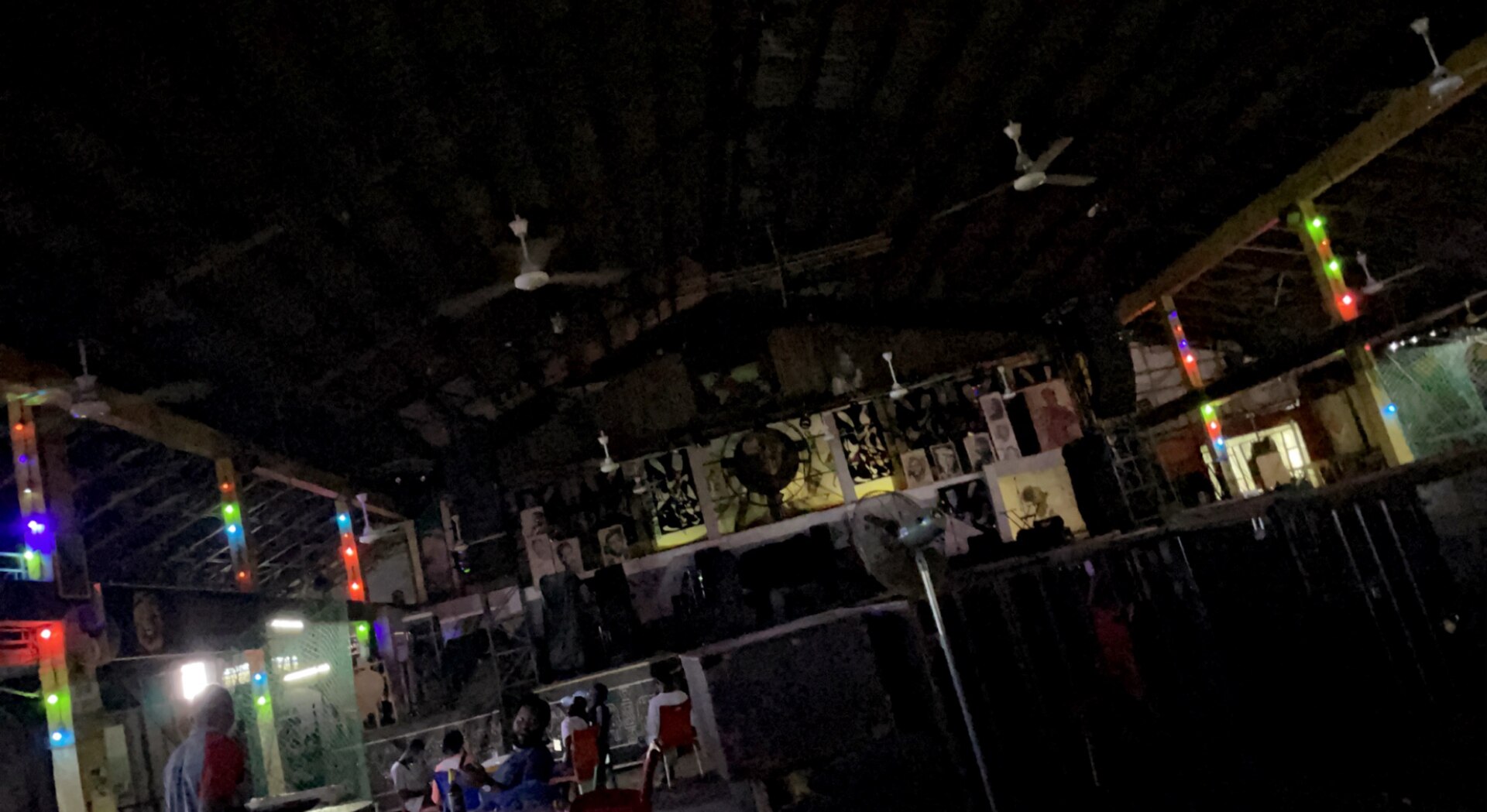
The New Afrika Shrine, Ikeja, Lagos, home of the annual Felabration festival in memory of Fela Kuti. Photograph: Wikimedia Commons.
General elections
Bola Ahmed Tinubu is elected president in the general elections of February 2023 and sworn in on 29 May 2023.
The National Assembly Complex, Abuja. Photograph: Wikimedia Commons.